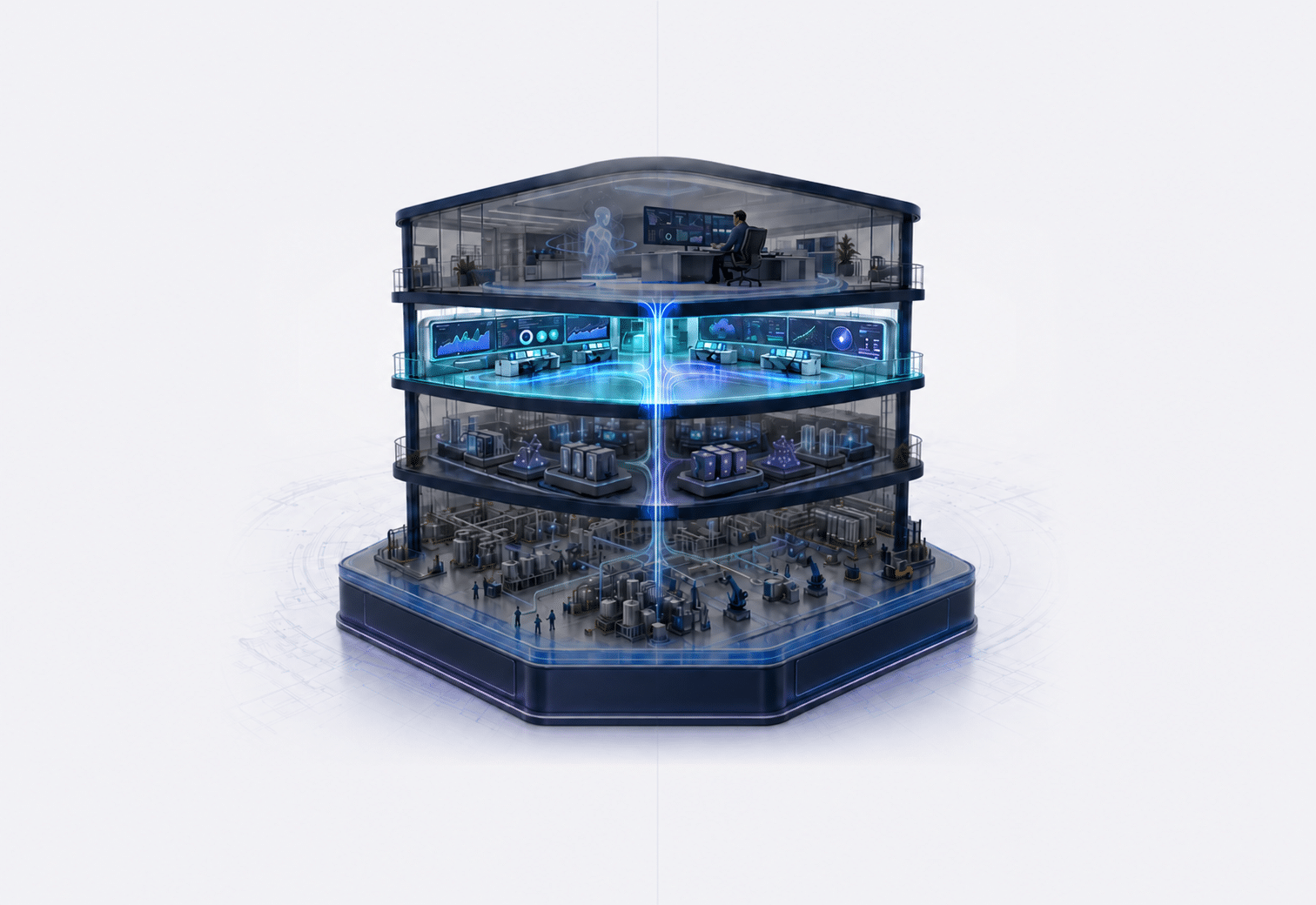
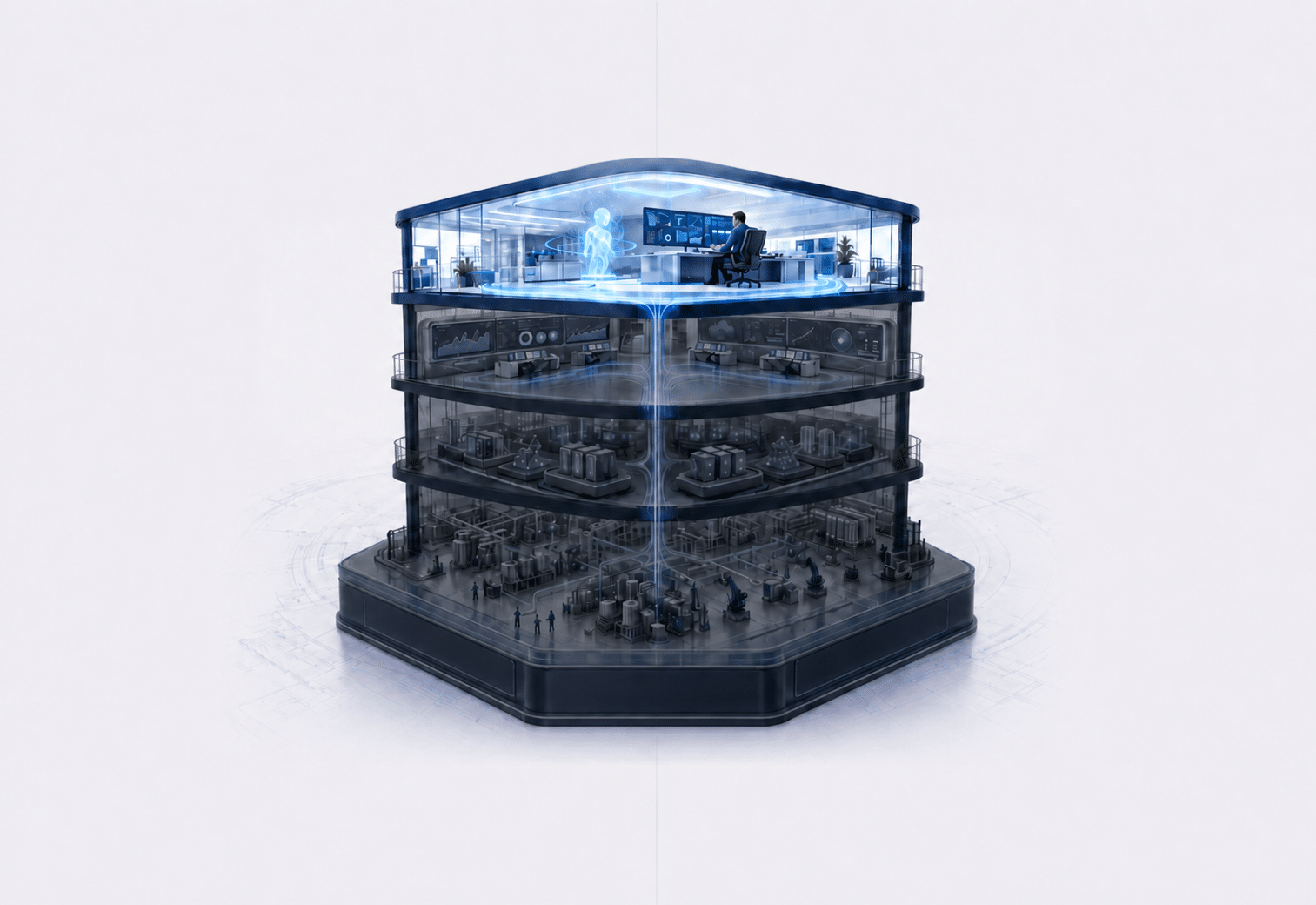
PODO® is a manufacturing AI framework that connects plant context, reusable AI skills, purpose-built applications, and AI agents—helping teams detect issues, diagnose causes, and move from insight to action.
01 / The shared model
Every agent sees the same plant.
PODO® builds a working model of your plant — assets, lines, batches, work orders and the people who run them, plus the relationships between them. Equipment data, quality records, maintenance history and operator knowledge resolve to the same entities, so every agent reasons over the same plant instead of its own private slice.
// SHARED PLANT MODELILLUSTRATIVE CONTEXT BUILD
ENTITIES01
RELATIONSHIPS00
AGENT VIEWS00
LIVE BUILD · ONE PLANT / ONE FRAME OF REFERENCE
RESOLVING IDENTITY
HistorianPump 4Equipment tag
CMMSP-104Asset ID
Operator noteCIP skid pumpShop-floor name
Asset · shared entityP-104Pump 4 · CIP skid pump
LineLine 2Packaging
BatchB-2841Current run
ShiftShift B22:00–06:00
PeopleOps Team BAssigned crew
FaultBearing wearDetected event
RepairBRG-07Bearing replacement
Work orderWO-1842Maintenance record
AI Engineering AgentReliabilitySame plant context
AI Engineering AgentQualitySame plant context
AI Engineering AgentEnergySame plant context
AI Engineering AgentProcessSame plant context
RUNS ONUSED INRAN DURINGFAULT ONLED TORECORDED INCREWED BY
3 NAMES → 1 SHARED ENTITY · P-104 is now the same asset everywhere.
Shared plant model→Four connected layers
02 / The core architecture
One system. Four connected layers.
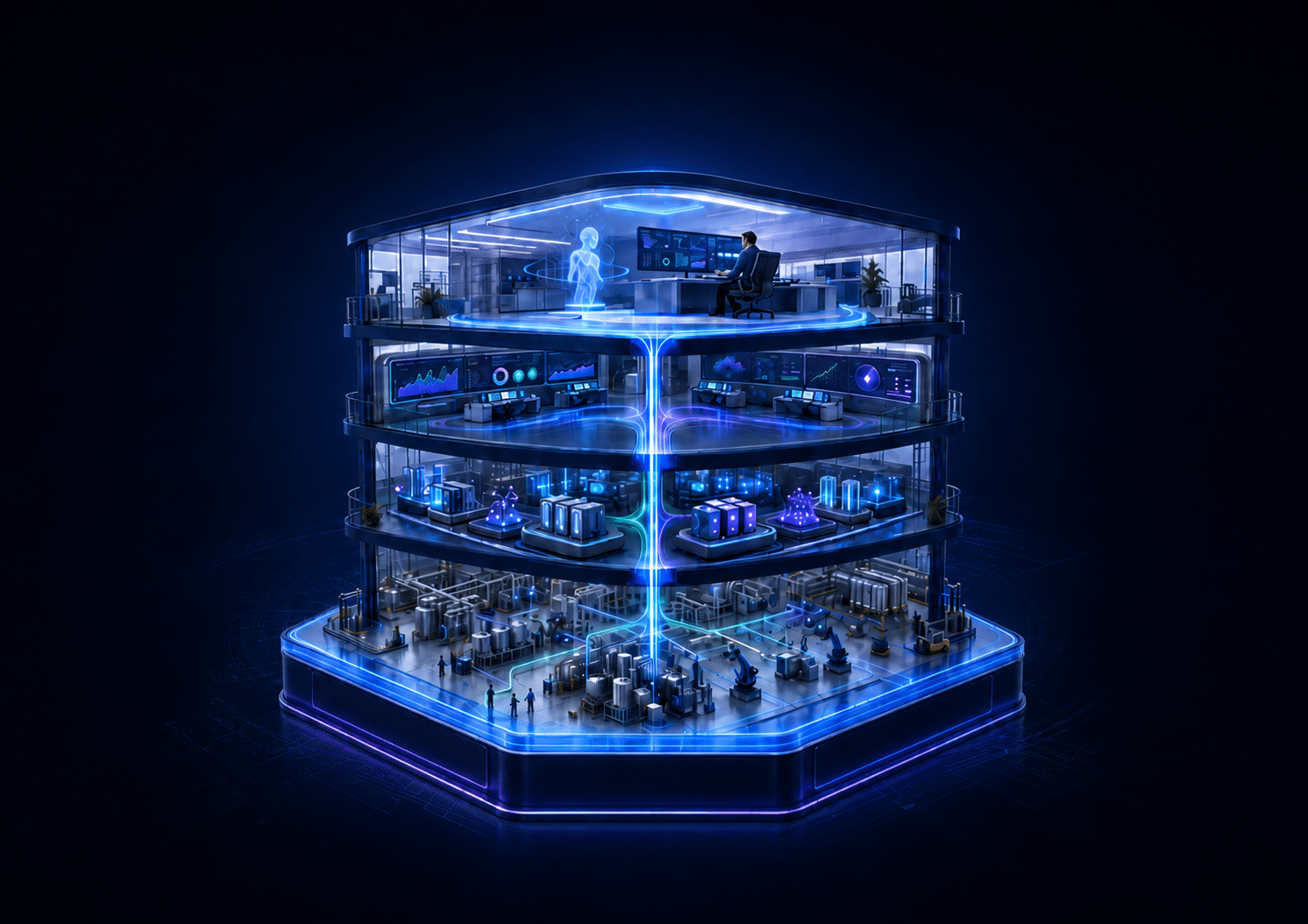
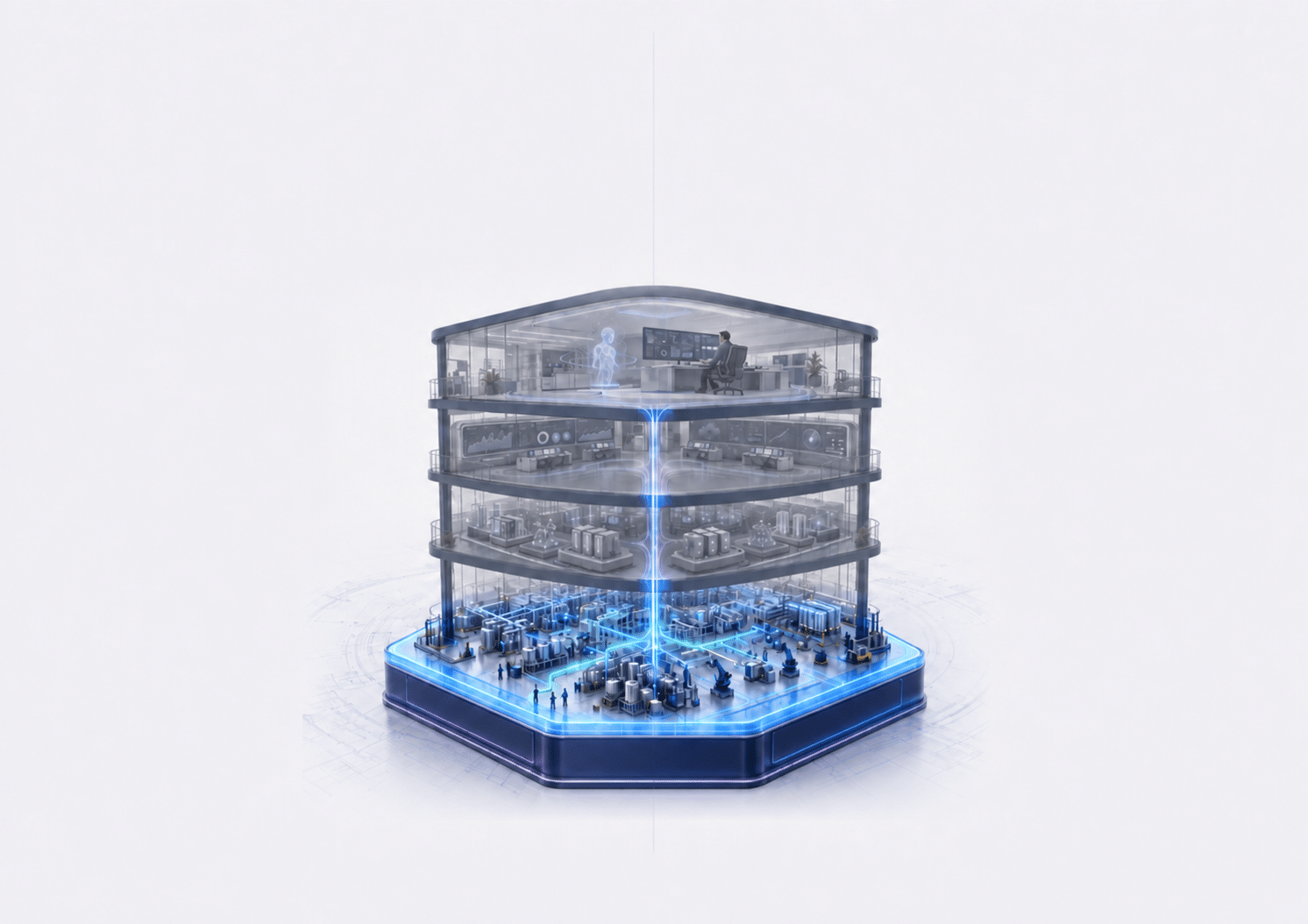
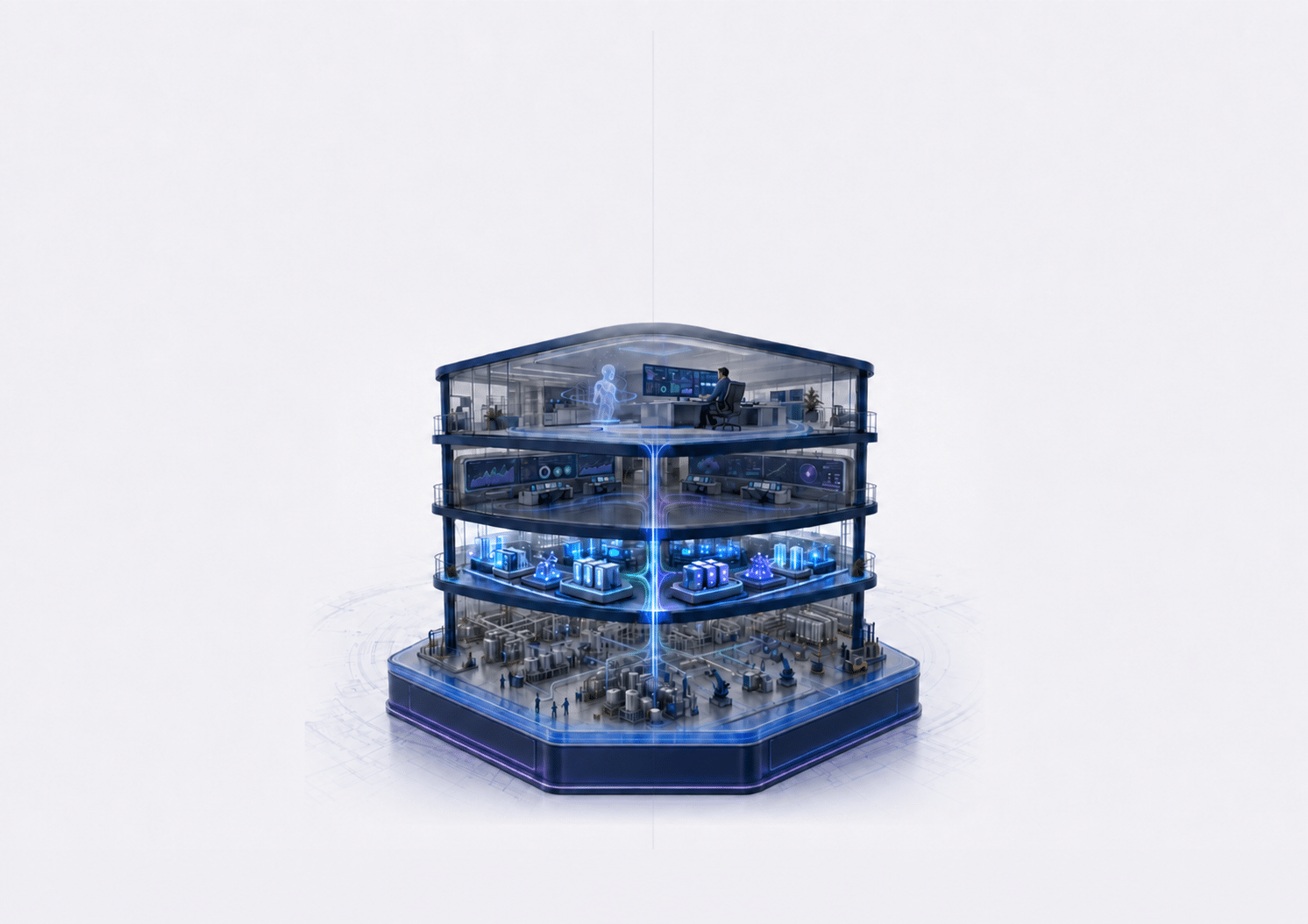
The PODO® AI Framework starts with a shared model of your plant. On top of it sits a library of skills, the agents built from those skills, and the coordination that lets those agents work as one.
// FOUR-LAYER FOUNDATION● PODO FRAMEWORK
One integrated framework · four connected layers
LAYER 01
Knowledge
Manufacturing ontology · shared plant context
Operational foundation
What it does
Maintains a living representation of how equipment, processes, people, events and operating conditions relate to one another, giving AI a shared frame of reference for reasoning across the plant.
Why it matters
Without shared context, every model and application works from a different picture of operations. The ontology gives the rest of PODO® a common manufacturing foundation.
Manufacturing ontologyLiving plant contextEquipment · process · people relationshipsOperational + enterprise data
Foundation shared plant context →
LAYER 02
Skills
Manufacturing-specific AI techniques
Shared toolkit
What it does
Provides a library of manufacturing-specific techniques that applications and AI Engineering Agents can draw on across use cases, so proven reasoning carries forward as the system grows.
Core skills
Pattern detectionRoot-cause reasoningDocument + text understandingProcess simulationTask sequencing + orchestration
Apply shared skills across use cases →
LAYER 03
Applications
Purpose-built, job-specific experiences
Ready for manufacturing work
What it does
Turns shared context and manufacturing-specific skills into purpose-built applications for the manufacturing priorities engineers work on every day.
Experience job-specific answers engineers can use →
LAYER 04
Collaboration
AI Engineering Agents · decision to action
Connected to the workflow
What it does
AI Engineering Agents carry recommendations—or safe, pre-approved actions—the rest of the way, working alongside the people accountable for the outcome and drawing from the same context, skills and applications.
How collaboration works
Domain-specific AI Engineering AgentsNatural-language interactionMulti-agent coordinationHuman review + approvalsActions grounded in shared plant context
Outcome decision to coordinated action →
03 / AI Engineering Agents
AI Engineering Agents, connected to the work.
Ask what changed, why it matters and what to do next. Each AI Engineering Agent works from the same plant context, gathers the evidence and returns when human judgment is needed.
Always curious. Always connected to the work.
PODO stays close to the signals, systems and people behind every operational decision.
PODO · ON SHIFT
Reliability · Motor M-217PODO is watching the asset context
● CONTEXT CONNECTED
Message Reliability AI Engineer↗
04 / The layers at work · illustrative example
A signal becomes action before the shift ends.
At 2:00 a.m., Motor M-217 starts running hot. PODO connects the signal to its operational context, identifies the likely issue, and turns it into a maintenance-ready response.
Diagnose · Across connected evidence
The alert arrives with the reason attached.
Current product mix, duty cycle, maintenance history and comparable motors resolve into one operational answer.
01Deviation detected earlyDETECT
02Evidence gathered across systemsDIAGNOSE
03Likely bearing wear identifiedDECIDE
04Work order prepared for reviewACT
A / SHOP FLOORInspect Motor M-217 during the next available window.The technician receives the likely cause, supporting evidence and recommended next step — not just an alert.
B / OPERATIONAL IMPACTProtect the production plan before the issue spreads.The same event is traced forward to schedule, energy and delivery implications.
Ready to close the loop?
Put connected intelligence to work.
See how the PODO® AI Framework turns the signals your plant already collects into coordinated actions your team can review, authorize and carry forward.